Sap, Bark, and Non-Timber Forest Harvest
Documented practices, regulations, and ecology of birch forest product collection in Poland — from spring sap tapping to bark harvesting and the wider context of non-timber forest use.

Birch Forest Topics
Each article draws on published forestry literature, Polish State Forests documentation, and FAO reference material.

Birch Sap Harvesting in Poland: Season, Methods, and Forest Regulations
How the tapping season unfolds in Polish forests, which collection methods are used, and what the State Forests access rules require for sap collectors.
May 20, 2026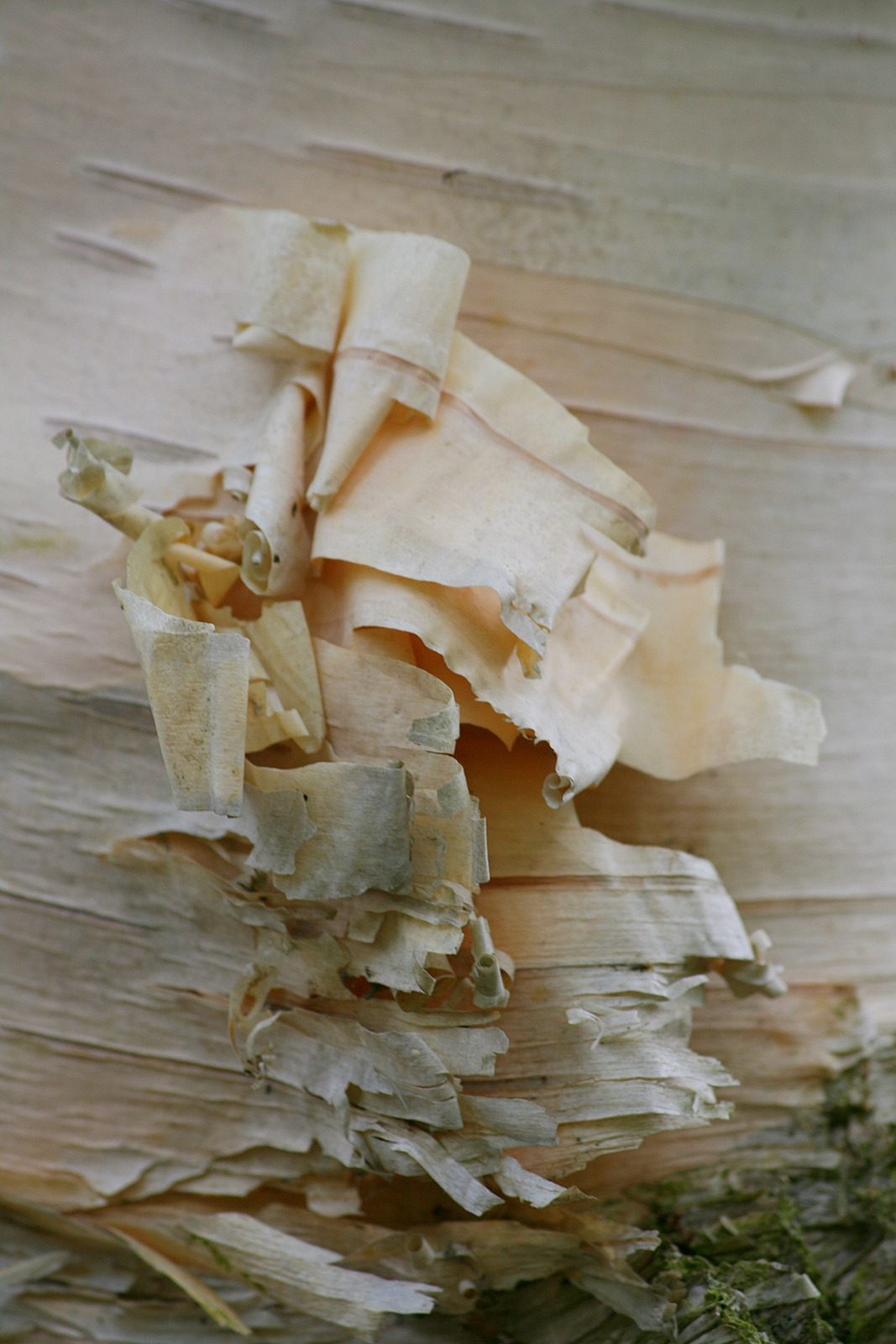
Birch Bark: Traditional and Contemporary Sustainable Uses
The structure of birch bark, why outer bark can be harvested without felling, and documented historical and current uses in Polish forest communities.
May 20, 2026
Non-Timber Forest Products in Polish Forests: Categories, Access Rules, and Ecology
What NTFPs are, how Polish law governs access, and the ecological principles behind sustainable collection from birch and mixed forest stands.
May 20, 2026Birch Forests in Poland
Silver birch (Betula pendula) and downy birch (Betula pubescens) are among the most common tree species across Poland's forested areas.
Where Birch Grows
Birch is particularly widespread in northeastern Poland — Podlaskie, Warmia-Masuria, and the Białowieża region — as well as in the mixed forests of central Mazovia and Greater Poland. It establishes readily on disturbed soils and is often a pioneer species in secondary woodland.
Forest Role
Birch stands create light-filled, structurally open woodland that supports diverse understory vegetation and specific mycorrhizal fungal communities. The tree's thin bark and open canopy make it distinct from denser conifer or oak stands in terms of the species it hosts and the products it offers.
State Forests Framework
Polish State Forests (Lasy Państwowe) manage the majority of Poland's publicly owned forest land. Secondary product collection is regulated at both national level (Act on Forests) and locally through individual Forest District management plans and permit systems.
Key Sources
Content on this site draws on publicly available materials from the following organisations.
Lasy Państwowe
Official portal of Polish State Forests. Source for forest area statistics, Forest District contacts, and regulatory information on secondary forest product access.
FAO Forestry Division
UN Food and Agriculture Organization forestry data, including NTFP frameworks, global forest product statistics, and sustainable management guidelines.
EC — Forest Strategy
European Commission documentation on the EU Forest Strategy, biodiversity targets, and regulatory context for forest management across member states including Poland.